Photo by <a href='https://unsplash.com/@productschool?utm_source=tradeshows_fyi&utm_medium=referral'>Product School</a> on <a href='https://unsplash.com/?utm_source=tradeshows_fyi&utm_medium=referral'>Unsplash</a>
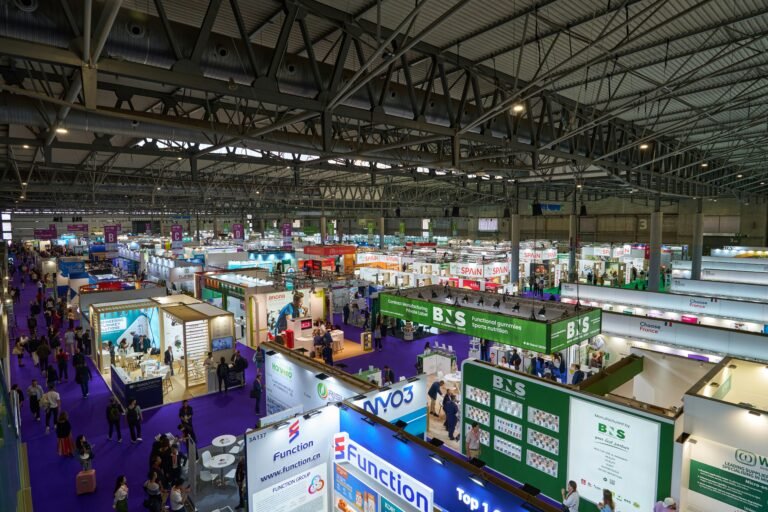
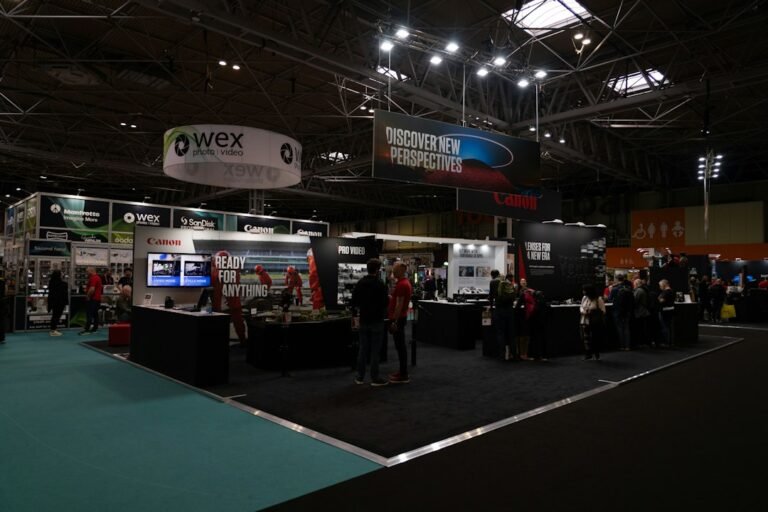
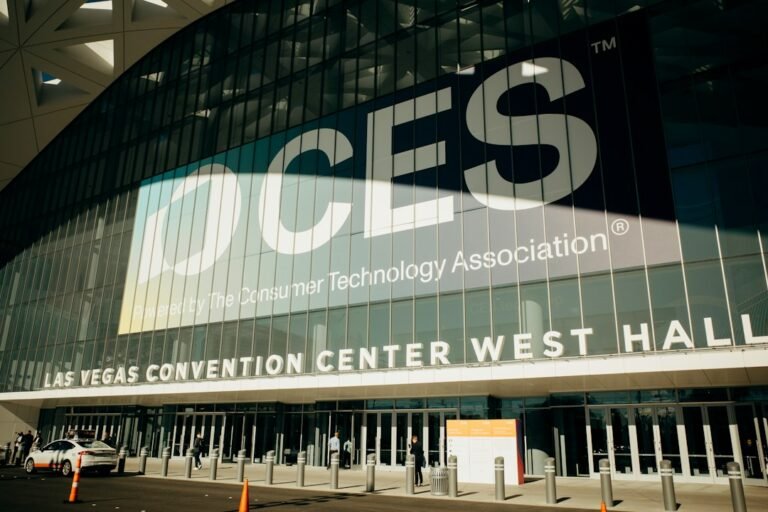
A trade show packs months of supplier meetings, product research, and industry education into a few days. Attendees who plan ahead leave with real options and real contacts; attendees who wing it leave with a tote bag. These ten tips cover what to do before, during, and after the show.
Before the Show
1. Pick the Right Show
Not every event in your industry is worth the trip. Compare shows by who exhibits, who attends, and what the education program covers. Search by industry and city in the Trade Show Event Directory, then use how to find the right trade shows to vet each one.
2. Set Two or Three Clear Goals
Decide what a good show looks like before you register: three new suppliers to evaluate, a specific product category to compare, or education credits to earn. Clear goals make it easier to say no to everything else on the floor, and easier to justify the trip to your manager.
3. Register Early
Early-bird registration usually costs less, and hotel blocks near the venue fill fast for large shows. Check the venue listing for the convention center and nearby hotels before you book.
4. Study the Exhibitor List and Floor Plan
Most shows publish an exhibitor list and an interactive floor plan or app a few weeks out. Mark your must-visit booths, group them by hall, and plan a route so you are not crossing the building five times a day.
5. Book Meetings Before You Arrive
Exhibitors’ schedules fill up. Email the companies at the top of your list a week or two ahead and ask for a set time at their booth. A booked meeting gets you the right person instead of whoever is free when you walk by.
During the Show
6. Prioritize Sessions That Match Your Goals
Education sessions and keynotes are often where you learn what is changing in your industry. Pick the few that match your goals and protect that time.
7. Take Notes at Every Stop
After ten booths, the details blur. Snap a photo of each booth sign, jot down what you discussed and what follow-up was promised, and note pricing or lead times while they are fresh.
8. Network Beyond the Booths
Receptions, roundtables, and the coffee line are where you meet peers who solve the same problems you do. Bring a short, clear way to say who you are and what you are looking for.
9. Pace Yourself
Convention centers are big. Wear comfortable shoes, carry water and a phone charger, and build breaks into your schedule so your afternoon meetings get the same attention as your morning ones.
After the Show
10. Follow Up Within a Week
Send short follow-ups that reference your conversation, request the quotes or samples you were promised, and share a summary with your team while the show is still fresh. Then score the show against the goals you set so you know whether to return next year.
Planning to exhibit instead of attend? Start with the exhibitor checklist and the exhibiting guides.
Frequently Asked Questions
How do I prepare for attending a trade show?
Pick shows that match your goals, register early, study the exhibitor list and floor plan, book meetings with priority exhibitors before you arrive, and plan which sessions to attend.
Are trade shows open to the public?
Many trade shows are limited to industry professionals and ask for proof of employment in the field at registration. Consumer shows are open to the public. Check the show’s registration page.
What should I bring to a trade show?
Bring comfortable shoes, a phone charger or power bank, business cards or a digital contact card, a notes app or notebook, and a printed or saved list of booths and meetings.
How soon should I follow up after a trade show?
Follow up within a week while conversations are fresh, and reference what you discussed so the exhibitor knows exactly what you need.
Who attends trade shows?
Attendees are mostly industry buyers, distributors, specifiers, and media. CEIR research found that 81% of trade show attendees have buying authority, which is why exhibitors invest in meeting them.
Sources
About the Author