
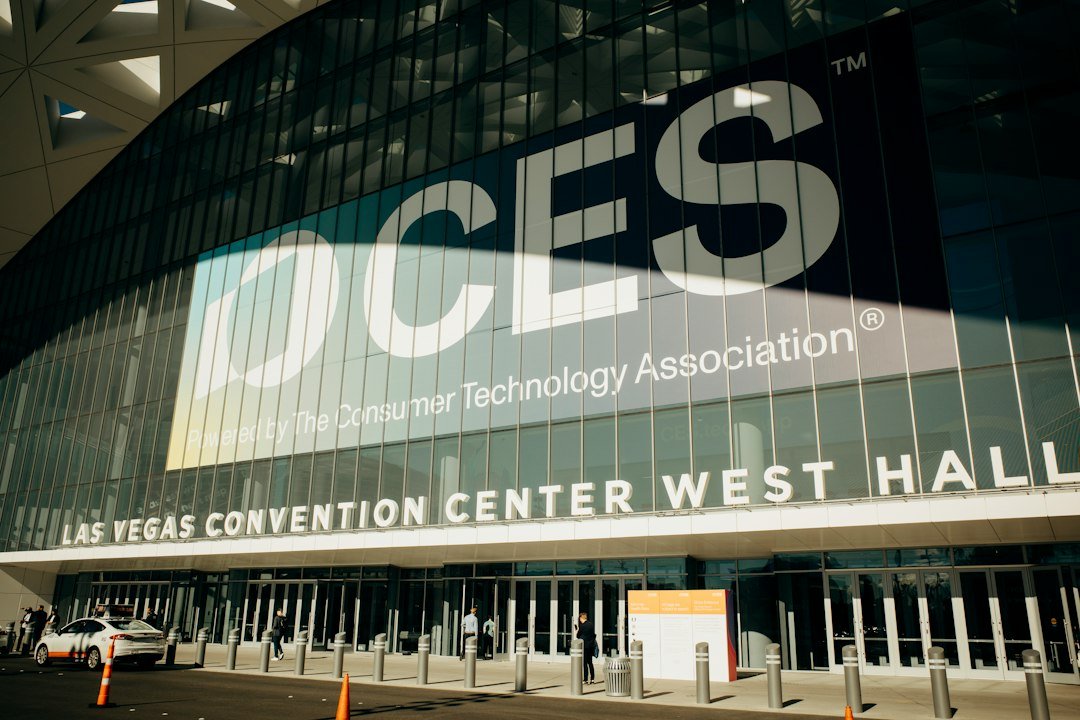
Photo by <a href='https://unsplash.com/@flo_raw?utm_source=tradeshows_fyi&utm_medium=referral'>Florian Schindler</a> on <a href='https://unsplash.com/?utm_source=tradeshows_fyi&utm_medium=referral'>Unsplash</a>
Learning how to plan a trade show is mostly a matter of sequencing: a long chain of contracts, deadlines, and approvals has to land in the right order, months before anyone walks onto the show floor. Organizers who get the order right spend show week solving small problems. Organizers who get it wrong spend it negotiating with the venue, the fire marshal, and unhappy exhibitors.
This guide is written for show organizers: associations, companies, and event teams producing a trade show or expo, not exhibiting at one. It walks through twelve steps in the order the work actually happens, from defining the audience to booking the next edition. Each step explains why it matters, how to do it, and when the usual advice does not apply.
Wherever a number appears, it comes from a real venue, show, or industry document and is linked to it. Those figures are examples, not universal rules. Your venue contract and your general services contractor will set your actual dates and fees. For more background on producing events, see the Hosting section of Tradeshows.FYI.
1. Define the Show’s Purpose and Audience
Every later decision depends on this one: the venue size, the booth price, the marketing budget, even the dates. A show built for “everyone in the industry” is hard to sell to exhibitors, because exhibitors buy access to a specific audience.
What to Decide Before You Plan a Trade Show
- Who attends: job titles, purchasing roles, and the geography you can realistically draw from.
- Who exhibits: the categories of suppliers who want to reach those attendees.
- Why each side comes: buying, learning, networking, or launching products.
- Format: a standalone expo, or an exhibit hall attached to a conference.
Networking has become a leading reason people attend. In a 2025 Freeman report covered by BizBash, 58% of attendees cited networking as a motivator in 2024, up from 39% in 2021. It also helps to understand the exhibitor side: the criteria companies use when they choose which trade shows to exhibit at are the same ones they will use to judge yours.
Caveat: a narrow audience is not always better. A regional or first-year show sometimes needs a broader mix to reach a viable size, then narrows as it grows.
2. Test Demand and Build the Trade Show Planning Budget
A trade show is a business with high fixed costs and revenue that arrives late. Before signing anything, confirm that enough exhibitors will pay for space, and enough attendees will come, to justify the spend.
How to Test Demand
- Interview a sample of likely exhibitors about booth size, price tolerance, and competing shows on their calendars.
- Survey your membership or customer list about dates and travel limits.
- Check calendars and directories for competing events in the same month and region.
The Main Budget Lines
| Cost category | Typical items |
|---|---|
| Venue | Hall rental, meeting rooms, food and beverage minimums, security |
| Show services | General services contractor, aisle carpet, signage, registration build |
| Marketing | Exhibitor sales, attendee promotion, website, email, advertising |
| Program | Speakers, content, networking events, technology |
| Risk | Insurance, contingency, cancellation exposure |
Exhibit space is usually the largest revenue line. Research reported by Skift Meetings in November 2025, drawn from 31 global organizers, put space sales at 63% of organizer revenue, expected to fall to 57% by 2028. Sponsorship and registration deserve their own lines in the plan.
Break-even booths = (fixed show costs − sponsorship and registration revenue) ÷ (average booth price − variable cost per booth)
If booth sales fall short of plan, at what point does the show stop covering its costs, and what will you cut first?
Caveat: some shows are deliberately run at a loss as a member benefit or brand investment. That is a valid choice, but it should be made on purpose and written into the budget.
3. Choose Dates and a Venue
In most trade show planning, the venue contract is the largest single commitment, and venues book far ahead. At the Albuquerque Convention Center, for example, the center controls bookings inside 18 months, while the convention bureau controls bookings beyond that window.
What to Compare Across Venues
- Gross vs. usable space: columns, ceiling heights, and fire lanes reduce sellable square footage.
- Exclusive services: electrical, internet, rigging, and catering are often reserved for in-house providers.
- Deposit and cancellation terms: Albuquerque requires 50% of rent at signing, with cancellation fees (as a share of minimum fees) of 25% more than a year out, 60% at 6 to 12 months, and 100% inside 6 months.
- Insurance: the Seattle Convention Center requires general liability of at least $1,000,000 per occurrence, with a certificate due 45 days before the event.
- Hotel inventory: rooms within walking distance and the terms of any room block.
Room blocks carry their own risk. Under RSNA’s 2026 housing terms, an attrition fee applies when peak-night rooms drop by more than 20% during the attrition period. Negotiate attrition terms before signing, not after registration disappoints. Directories such as the Trade Show Event Directory venue listings can help build a shortlist before you contact convention bureaus.
Caveat: a convention center is not always the right answer. Hotels, fairgrounds, and university halls can suit smaller shows better, at lower minimums.

4. Design the Floor Plan and Booth Types
The floor plan is your inventory. It decides how many booths you can sell, which ones command a premium, and how traffic moves. It also needs approval: Moscone Center requires show management to submit floor plans for final approval at least 60 days before the event, drawn to scale, with a minimum of 10 feet between rows of booths.
Standard Booth Types
Most U.S. shows follow the IAEE Guidelines for Display Rules and Regulations:
| Booth type | Definition | Typical height limit |
|---|---|---|
| Linear (inline) | One side open to an aisle; standard 10 ft x 10 ft | 8 ft back wall; 4 ft in the front half |
| Perimeter | Linear booth backing onto an outside wall | 12 ft back wall |
| Peninsula | Open on three sides; at least four booths | 16 ft at center back wall |
| Island | Open on all four sides; typically 20 ft x 20 ft or larger | 16 ft, including signage |
For a plain-language comparison of footprints, see trade show booth sizes explained.
Layout Principles
- Place anchor exhibitors and features (lounges, stages, food) to pull traffic to the back of the hall.
- Avoid dead-end aisles and long unbroken rows.
- Show exits, fire equipment, and clearances on every version you circulate.
Caveat: a plan packed for maximum booth count can hurt the attendee experience. Leaving space for seating and meeting areas often helps renewals more than a few extra booths help revenue.
5. Set Exhibit Space Pricing and Packages
When you plan a trade show, price is also a signal of position. Too low and the show looks minor; too high and first-year exhibitors will not take the risk. Benchmark against shows your exhibitors already attend.
Exhibit Space Pricing Examples From 2026 Shows
- The ACP Internal Medicine Meeting 2026 charges $3,400 for a 10 x 10 booth, adds $275 for a corner, and prices island space at $42 per square foot. Linear booths include an 8 ft back drape and 3 ft side drapes.
- XPONENTIAL 2026 charges $39 per square foot for members and $45.50 standard, plus $500 per open corner. Its 10 x 10 shell-scheme booth, which includes a header sign, carpet, lighting, a counter, furniture, and a power outlet, costs $6,900 to $7,850.
Package Options to Define
- Raw space: floor only; exhibitors bring or rent everything.
- Pipe-and-drape: back and side drape, ID sign, sometimes a table and chairs.
- Shell scheme or turnkey: walls, graphics, lighting, furniture, and power included.
Spell out what each package includes, such as badges, directory listings, and lead retrieval. Exhibitors on raw space or pipe-and-drape usually bring their own structure, often a portable or modular display from exhibit suppliers such as APG Exhibits, so publish the height and line-of-sight rules alongside the price sheet.
Caveat: member discounts and early-bird rates help sales but complicate the break-even math. Model them before announcing them.
6. Hire a General Services Contractor and Official Vendors
The general services contractor (GSC), also called the official contractor, is hired by show management to build and operate the show. According to Absolute Exhibits’ guide to trade show roles, the official contractor typically handles drayage and freight, carpet, signage, rental displays and furnishings, and cleaning and labor.
What to Settle in the GSC Agreement
- Show-management services included: aisle carpet, entrance units, registration counters, signage.
- Exhibitor pricing and discount deadlines that will appear in the exhibitor manual.
- Material handling (drayage) rates, plus advance-warehouse and direct-to-show shipping rules.
- Rules for exhibitor-appointed contractors (EACs), the independent installation companies some exhibitors bring.
- Which services remain exclusive to the venue: electrical, internet, rigging, food.
Freight is where exhibitors most often lose money and patience, so explain it clearly. The Tradeshows.FYI guide to trade show logistics and show services is a useful plain-language reference to share with first-time exhibitors.
Caveat: very small tabletop shows in hotels may not need a full GSC. The hotel and a local rental company can sometimes cover tables, drape, and power.
7. Build the Exhibitor Manual and Deadline Calendar
The exhibitor manual, also called the service kit, is where exhibitors find every rule, form, and deadline. GES describes a good one as a single hub with a build checklist, schedules, health and safety guidelines, order forms, and contractor listings. For organizers, its practical value is fewer repetitive questions.
What the Exhibitor Manual Should Contain
- Move-in and move-out schedule by booth or zone
- Display rules, height limits, and booth-design review requirements
- Shipping labels, advance-warehouse dates, and drayage rates
- Order forms for furniture, electrical, internet, and lead retrieval
- Insurance, badge, and EAC registration deadlines
How Far Ahead Real Shows Set Deadlines
For a show opening November 29, 2026, RSNA makes its service kit available July 15, sets EAC registration for October 15, and opens the advance warehouse October 20. For an April 19, 2026 opening, NAB Show began accepting advance-warehouse shipments March 19 and set its Freeman advance-order deadline for March 16.
Caveat: a smaller regional show can publish later and simplify. A two-page guide that exhibitors actually read is better than a long manual they ignore.
8. Sell Exhibit Space and Sponsorships
Exhibitor sales usually start once the floor plan and price sheet are ready, and they fund most of the rest of the plan. A prospectus should answer three questions quickly: who attends, what it costs, and what the exhibitor gets.
Sales Mechanics to Set Up
- A space application or contract with a payment schedule. RSNA, for example, collects 25% deposits on January 1 and April 1, with the final payment due July 1.
- A clear cancellation and space-reduction policy.
- A booth-assignment method: first come, priority points, or a staged selection.
- A sponsorship menu sized for different budgets.
Custom sponsorships have grown. A CEIR report covered by Trade Show Executive found 65% of B2B organizers offered them, up from 56% in 2019, and 85% of those offering them found them effective at generating revenue.
Caveat: selling too many sponsorships into a small audience can make the show feel cluttered. Each sponsor needs a clear deliverable and a reason to come back.
9. Market the Show and Open Registration
Attendance is what exhibitors are paying for, so attendee marketing is part of exhibitor service. Registration opening, early-bird deadlines, and hotel cut-off dates should work together.
Channels Organizers Rate Highly
In the same CEIR study, 83% of organizers rated email blasts to the registration list as effective or very effective, and 78% said the same of social media community engagement.
- Publish the exhibitor list early; it is one of the strongest reasons to register.
- Give exhibitors invitation codes and ready-made promotional copy.
- List the show in event directories and industry calendars.
- Set registration fields to capture the data exhibitors will ask about later.
Caveat: free attendee registration builds headcount but can lower show-up rates on the day. Some shows charge a small fee or require qualification to protect lead quality.
10. Plan the Attendee Experience
Attendees judge a show by the day itself: finding their way, getting into sessions, and meeting the right people. There is often a gap between what organizers think is working and what attendees feel. In Freeman’s 2025 eXperience Trends Report, as reported by Skift Meetings, 78% of planners believed their events delivered memorable peak moments, but only 40% of attendees agreed.
Elements to Plan
- Wayfinding and signage that work without an app
- Education sessions on or near the show floor to drive booth traffic
- Structured and casual networking: lounges, hosted meetups, pre-show matchmaking
- Food, seating, and breaks that keep people in the hall
- Accessibility and safety plans
Caveat: more features do not always mean a better show. The same Freeman research found attendees prioritize clear wayfinding, relevant sessions, and meaningful networking, while organizers tend to focus on food, décor, and personalization.
11. Run Move-In, Show Days, and Move-Out
Show week is where earlier trade show planning pays off: it runs on a schedule set months before by the GSC, the venue, and the exhibitor manual. The organizer’s job is coordination and fast decisions.
Show-Week Checklist
- Daily briefings with the GSC, venue event manager, security, and registration lead
- A service desk where exhibitors can resolve orders and freight questions
- Floor walks to check fire lanes, booth rules, and signage
- A clear “booths must be complete” time and an enforcement plan
- An orderly move-out plan, including empty-crate return and outbound freight
Caveat: rules exist for safety and fairness, but enforcing minor issues during show hours can cost goodwill. Decide in advance which violations need immediate action.
12. Track Results and Plan the Next Edition
The next edition starts on the last day of this one. Exhibitors and attendees decide whether to return based on results, and keeping them is cheaper than replacing them. Freeman’s research, as reported by Skift, found that only about 30% of first-time attendees come back.
What to Measure After Trade Show Planning Wraps
| Metric | Why it matters |
|---|---|
| Net square feet sold | Core revenue and growth indicator |
| Exhibitor retention rate | Predicts next year’s sales effort |
| Verified attendance by role | What exhibitors are really buying |
| Exhibitor and attendee satisfaction | Early warning before renewals |
| Actual vs. budget by line | Improves next year’s break-even model |
Benchmark where you can. CEIR and a2z offer an exhibitor retention benchmarking tool that compares a show’s retention against its industry sector. For broader context, CEIR’s 2026 Index report forecasts 2.1% growth for the U.S. B2B exhibition industry in 2026. Offer onsite rebooking while exhibitors are still seeing results on the floor.
Caveat: one weak year is not always a signal to change everything. Separate one-time causes, such as a competing event or bad weather, from structural ones.
Trade Show Planning Checklist for Organizers: Timeline at a Glance
Cvent puts typical planning time at 6 to 12 months, depending on size; larger shows book venues much earlier. Use this timeline as a template, and replace the dates with those in your own contracts.
| Time before show | Key tasks |
|---|---|
| 18+ months | Define purpose and audience, test demand, shortlist venues, sign venue and hotel contracts |
| 12 months | Hire the GSC, draft the floor plan, set pricing, publish the prospectus, open exhibitor sales |
| 9 to 6 months | Sponsorship sales, speaker and program planning, website live, attendee registration opens |
| 5 to 4 months | Release the exhibitor manual (RSNA: about four and a half months ahead) |
| 60 days | Final floor plan to the venue and fire marshal (Moscone: at least 60 days) |
| 45 days | Certificate of insurance to the venue (Seattle: at least 45 days) |
| About 30 days | Advance warehouse opens; GSC discount deadlines (NAB Show: 31 and 34 days out) |
| Show week | Move-in, daily briefings, show days, move-out |
| 0 to 30 days after | Surveys, results report, rebooking, budget review |
What Makes a Trade Show Worth Attending and Exhibiting At
Across all twelve steps, the shows that last share a few traits. They serve a clearly defined audience and can show who attended. They make exhibiting predictable, with clear pricing, rules, deadlines, and freight. They give attendees reasons to stay on the floor: relevant education, real networking, and easy navigation. And they treat each edition as data for the next one.
None of these depends on size. A small regional show with a loyal, well-matched audience can be more valuable to its exhibitors than a large one with poorly matched traffic. Good trade show planning keeps both customers, exhibitors and attendees, in view at every step.
List and Promote Your Show
Once dates and a venue are confirmed, make the show easy to find. You can list your show on the Trade Show Event Directory so exhibitors and attendees can discover it while they plan their calendars. The same directory includes venue listings for comparing facilities and a service provider directory for finding contractors, decorators, and other vendors.
How to Plan a Trade Show: FAQ
How far in advance should you plan a trade show?
Cvent puts typical planning at 6 to 12 months. Larger shows usually secure venues earlier, because convention centers and bureaus book more than a year out.
How much does it cost to rent exhibit space at a trade show?
It varies by show. Two 2026 examples: ACP charges $3,400 for a 10 x 10 booth, and XPONENTIAL charges $39 to $45.50 per square foot.
What does a general services contractor do?
The general services contractor is hired by show management to build and run the show, typically handling freight and drayage, carpet, signage, furnishings, cleaning, and labor.
What is an exhibitor manual?
An exhibitor manual, or service kit, is the single source of rules, forms, schedules, and deadlines that exhibitors need to prepare for the show.
What is the standard trade show booth size?
Under IAEE guidelines, a standard linear booth is 10 feet by 10 feet, with a typical maximum back wall height of 8 feet.
When does a trade show floor plan need fire marshal approval?
Requirements vary by venue. Moscone Center, for example, requires final floor plans at least 60 days before the event.
How do you calculate trade show break-even?
Subtract sponsorship and registration revenue from fixed show costs, then divide by the average booth price minus the variable cost per booth.
Sources
- Cvent: Trade show planning
- IAEE Guidelines for Display Rules and Regulations
- ACP Internal Medicine Meeting 2026: Exhibit space rates
- XPONENTIAL 2026: Exhibit pricing
- Albuquerque Convention Center: Booking guidelines
- Seattle Convention Center: Event insurance requirements (2025)
- Moscone Center: Exhibit hall floor plan requirements
- RSNA 2026: Exhibitor dates and deadlines
- NAB Show 2026: Exhibitor schedule and deadlines
- Absolute Exhibits: Trade show roles
- GES: Exhibitor manuals
- BizBash: Freeman networking report (2025)
- Skift Meetings: Freeman eXperience Trends Report 2025
- Skift Meetings: Trade show revenue mix research (2025)
- Trade Show Executive: CEIR report on exhibit and sponsorship sales approaches
- TSNN: a2z and CEIR exhibitor retention benchmarking tool
- TravelDailyNews: IAEE releases 2026 CEIR Index report
About the Author




1 thought on “How to Plan a Trade Show: The Complete Organizer’s Guide”
Comments are closed.